 Tick Control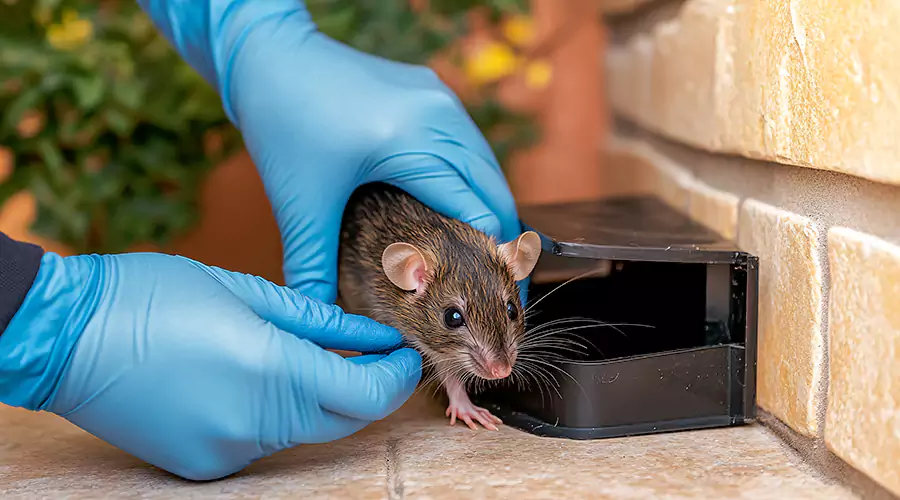
 Google Reviews
 (553)
(553)


Proudly American

 Termite Control
 Bed Bug Treatment
 Rodent Control
 Cockroach Control
 Ant Control
 Mosquito Control
 Bee Control
 Wildlife Control
 Exterminator Control
Rodents can enter a home through surprisingly small openings. Mice and rats are skilled at squeezing through gaps, climbing exterior surfaces, chewing weak materials, and finding hidden paths into attics, basements, garages, crawl spaces, kitchens, and wall voids. Many homeowners do not realize rodents have entered until they hear scratching sounds or find droppings.
Rodents usually enter homes because they are looking for food, water, warmth, shelter, and nesting areas. Once they get inside, they may damage insulation, chew wires, contaminate food, leave droppings, and create unpleasant odors. If the entry points are not found and sealed, rodents can keep coming back even after traps are placed.
Understanding how rodents get into homes can help you prevent infestations and know when to call a pest control professional.
Rodents are survival driven pests. They do not need a dirty home to move in. They only need access to shelter, food, and water. Seasonal changes often increase rodent activity, especially when outdoor temperatures drop or storms push pests toward dry shelter.
Homes provide many conditions rodents like, including warmth, hidden spaces, food crumbs, pet food, stored pantry items, water sources, and quiet nesting areas. Garages, attics, basements, and crawl spaces are especially attractive because they are less disturbed.
Foundation gaps are one of the most common ways rodents enter homes. Mice can squeeze through very small openings, and rats can use gaps that may look too narrow at first glance. Cracks, holes, and spaces around the lower exterior of the home can give rodents easy access.
Common foundation entry points include:
Inspecting the foundation regularly can help you find weak points before rodents use them.
Garage doors are another common rodent entry point. A small gap under the garage door can allow mice or rats inside. Once in the garage, rodents may move into wall spaces, storage areas, or interior rooms.
Exterior doors can also allow rodent entry if door sweeps, thresholds, or weatherstripping are damaged. If you can see light under a door, pests may be able to enter.
To reduce this risk, check door seals often and repair gaps quickly.
Rodents are strong climbers. They can climb trees, vines, brick, siding, pipes, and utility lines to reach the roof. Once they reach the roofline, they may enter through damaged vents, gaps under eaves, soffit openings, or roofline cracks.
Attics are attractive to rodents because they are warm, quiet, and filled with insulation that can be used for nesting.
Common upper level entry points include:
Trimming branches away from the roof and repairing damaged vents can help reduce access.
Utility openings are easy to overlook. Spaces around plumbing lines, cable lines, air conditioning lines, and electrical conduits can create small gaps that lead inside walls or crawl spaces.
Rodents often follow these openings because they provide hidden paths. Once inside a wall cavity, rodents can travel quietly through the home.
Seal gaps around utility openings with proper materials. Foam alone may not stop rodents because they can chew through soft materials. Stronger exclusion materials may be needed.
Window screens, crawl space vents, dryer vents, and attic vents can become damaged over time. Tears, gaps, loose covers, or missing screens can allow rodents and other pests inside.
Dryer vents and crawl space vents should be checked often because they are close to the ground or connected to hidden spaces. Use proper vent covers that allow airflow while blocking pest entry.
Rodents look for safe nesting spots. Clutter gives them places to hide and makes it harder for homeowners to spot activity. Cardboard boxes, paper, fabric, insulation, and stored items can all provide nesting material.
Common nesting areas include:
Store items in sealed plastic bins instead of cardboard when possible. Keep storage areas organized so droppings, gnaw marks, or nests are easier to notice.
Rodents may enter for shelter, but food and water help them stay. Easy food sources can keep rodents active inside the home.
Common rodent attractants include:
Keeping food sealed and cleaning hidden crumbs can reduce attraction.
Rodents often leave clues near entry points and travel areas. Knowing these signs can help you act before the infestation grows.
Watch for:
If you see more than one sign, there may be active rodent movement inside the home.
If you suspect rodents, start with simple prevention steps. Remove easy food sources, reduce clutter, and look for possible entry points. Avoid leaving pet food out overnight and keep trash sealed.
Helpful first steps include:
Do not touch droppings, nests, or contaminated materials with bare hands.
Traps can reduce rodent activity, but they do not fix the reason rodents entered. If entry points remain open, new rodents can continue coming inside. A complete rodent control plan should include inspection, trapping, exclusion, sanitation guidance, and prevention.
This is why homeowners often see rodents return after using only a few traps. The source and access points must be addressed for long term control.
Call a pest control company if you see droppings, hear scratching, find gnaw marks, notice strong odors, or see a mouse or rat inside your home. Professional help is also important if the activity is in the attic, walls, crawl space, or multiple rooms.
A professional can identify the rodent type, locate entry points, place traps correctly, recommend exclusion work, and help prevent future infestations.
Rodents get into homes through foundation gaps, garage doors, rooflines, vents, utility openings, damaged screens, and small cracks around the exterior. Once inside, they look for food, water, warmth, and nesting areas.
The best way to stop rodent problems is to combine prevention with proper control. Seal entry points, remove food sources, reduce clutter, fix moisture problems, and inspect your home regularly. If rodents are already active, call a pest control professional for a complete inspection and long term solution.